

When is Someone Entitled to Florida’s Head of Household Exemption?

Once a creditor obtains judgment against a debtor and collection efforts begin, there are several options for collection. One of the most effective options for collection of a judgment can be garnishment of wages or bank accounts. Garnishment statutes require strict compliance; all “I”s must be dotted and all “T”s must be crossed.
While there are several exemptions, head of household is a common exemption claimed by debtors. So how does one qualify as head of household and why is this important?
Florida statute section 222.11(c ) defines “head of family” to include “…any natural person who is providing more than one-half of the support for a child or other dependent.” When a judgment debtor claims head of household or head of family, if that person does not qualify for the exemption, then his or her disposable earnings may be subject to garnishment. However, if it is determined that the person claiming the exemption is actually head of household, then his or her wages would not be subject to garnishment.
Let’s break down the definition of head of household a bit. If a single person is supporting only himself or herself, he or she would not qualify for the exemption as there is no child or other dependent involved. Sometimes the question of whether or not an individual is head of household is clear. For example, a single parent, receiving no child support or assistance from the other parent, might easily qualify for the head of household exemption. On the other hand, a single parent with shared custody of two children, may or may not qualify as head of household, dependin g on the specific facts of the case. Or what if a debtor is caring for and supporting a special needs or elderly adult? These questions can become more involved. The attorneys at Wetherington Hamilton, P.A. are experienced in handling this type of debt collection and related matters. Call us today at (813) 676-9082 to schedule your consultation.
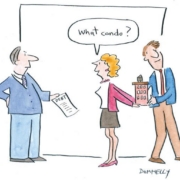
 Several years ago while looking for assets owned by a judgment debtor I discovered that he had recently transferred title to his Corvette to his daughter. It is unusual to find such an obvious example of a fraudulent transfer, but it was not difficult to recover the vehicle and apply it to the amount owed to my client.
 The Servicemembers Civil Relief Act (SCRA), formally known as the Soldiers’ and Sailors’ Civil Relief Act, is a federal law affording certain protections to military members in civil actions under 50 U.S.C., and it’s extremely important to consider the protections this law provides and the ramifications it may have on civil actions and proceedings.
 After having practiced law for over 25 years, you would think I would have seen everything. Yet, every day presents a new type of matter with slightly different facts from the others that have come across my desk. From the debtor who paid his $850 dollar debt with a box of quarters, to the interesting friend who paid the debt of his other friend after having been served at the nudist resort, each case is interesting in its own way. Each matter teaches us something new: A new way to deal with litigation, a new way that an individual or entity can try to hide assets, a new way to collect on a judgment. This experience helps us collect a judgment or collect a debt where other attorneys might find the judgment uncollectable.
 Many years ago I represented a local jewelry store. I sued a customer who owed them a substantial debt for jewelry purchases on credit. I sued the customer and obtained a judgment. I was unable to get the customer to respond but soon discovered he owned a new Lincoln Continental free and clear. I levied on the vehicle for my client and the sheriff took it from him. Shortly afterward I received a call from the customer’s son wondering why the jewelry store was taking his father’s car. I explained that he purchased jewelry on an application for credit. A short time later the son called me back and told me his father had a girlfriend on the side for many years and the jewelry was purchased for her. The father did not want anyone to know about this for obvious reasons and he used his girlfriend’s address on his credit application. Service of the lawsuit was made on him at the girlfriend’s address. In the state I was in at the time, a lawsuit could be served by regular mail, provided the mail was not returned by the post office. Apparently, by the time I filed suit the relationship with the girlfriend had gone sour and she accepted the mail but did not tell him about it. The family hired a lawyer who attempted to quash the service but the court ruled the service was good according to the state’s law.
 For anyone involved in the financial services industry over the last four years, the CFPB or Consumer Financial Protection Bureau has become a four letter word. This entity created by Congress as part of the Dodd Frank act passed after the financial collapse in 2008, was given broad jurisdiction to regulate all types of financial services, from banks to title companies to insurance agencies. However, in a ruling on October 11, 2016, the U.S. Court of Appeals for the District of Columbia Circuit found the structure of the CFPB unconstitutional because of the “concentration of enormous executive power in a single, unaccountable, unchecked Director who wields vast power over the U.S. economy.” The case (PHH Corporation, et.al. v. Consumer Financial Protection Bureau) can be


 If your business involves granting credit, it is important to have a good credit application. Most creditors are aware of the need to include material about basic information such as ability to pay, shown by income and obligation, and past credit history. Businesses need to be viewed in terms of profitability and stability through determining years in business as well as bank balance and financial statements.
 When filing a civil lawsuit in the state of Florida, initial service of process on the defendants named in the lawsuit is critical in order to confer jurisdiction on the courts. The Florida Rules of Civil Procedure and Florida Statutes govern who may serve process upon whom and how service of process may be perfected. See Rule 1.791, Fla. R. of Civ. P. and
 Should you or should you not accept a payment for less that the full amount owed when it is indicated to be for full payment? It is always best to not accept a check for less that the full amount owed if there is any chance that it can be interpreted as being accepted as settlement in full. However, if you do, it may not mean that the debt is indeed settled in full by acceptance of the check.